

European policymakers and business leaders are increasingly highlighting the economic potential of the European Union’s enlargement plans, arguing that expanding the bloc could open new opportunities for trade, investment, and economic growth across the region.
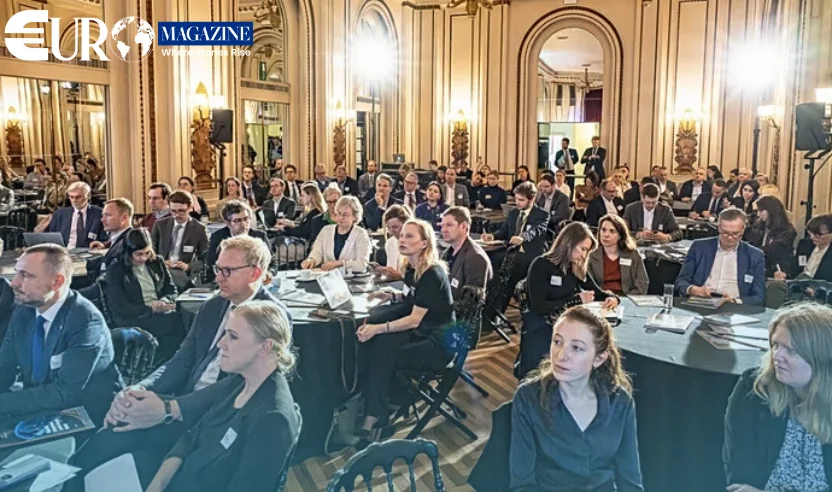
Speaking at a recent business event in Brussels, EU Enlargement Commissioner Marta Kos encouraged European companies to engage more actively with countries seeking EU membership. She emphasized that previous rounds of EU expansion significantly boosted exports, strengthened supply chains, and contributed to economic growth across Europe.
Kos noted that enlargement has historically delivered strong returns for investors while also helping millions of people benefit from economic integration. However, she stressed that these successes were driven by major reforms in candidate countries that helped create stable and reliable investment environments.
According to the commissioner, building democratic institutions, ensuring judicial independence, reducing corruption, and protecting media freedom remain key priorities for candidate countries seeking closer ties with the EU. These reforms are considered essential for attracting long-term business investment.
The European Commission is also working to gradually integrate candidate countries into the EU’s Single Market, which could make it easier for companies to operate across borders and access new customers.
Enlargement Seen as a Strategic Economic Opportunity
The discussion, which included policymakers, economists, and corporate leaders, focused on how a larger EU could reshape Europe’s economic landscape.
Experts believe that expanding the EU’s Single Market could significantly increase trade flows and strengthen supply chains. A larger integrated market would allow businesses to scale their operations more efficiently while gaining access to new labor pools and consumer markets.
As global economic competition intensifies, particularly from major economies such as the United States and China, analysts argue that a broader European market could help companies remain competitive on the global stage.
A larger EU could also improve economic resilience by integrating neighboring economies more deeply into European regulatory and industrial frameworks. This could help stabilize supply chains and encourage greater economic cooperation across the region.
Businesses Remain Cautious Despite Opportunities
Despite these potential advantages, many European companies remain cautious about expanding into candidate countries.
New research presented at the event by the Confederation of Swedish Enterprise suggests that businesses are still uncertain about the investment climate in several candidate nations.
According to the findings, only about 39 percent of surveyed companies believe that ongoing reforms will make these countries more attractive environments for business operations.
The research, conducted in collaboration with economic experts from the Centre for European Policy Studies and Implement Consulting Group, examined the economic implications of EU enlargement for businesses and the broader European economy.
Their reports indicate that integrating candidate countries into the EU could unlock economic growth through increased investment, improved trade flows, and better regulatory alignment.
For companies already operating in these markets, EU membership could help reduce regulatory barriers and create more predictable business conditions.
However, researchers also highlighted several challenges. Economic convergence between existing EU member states and candidate countries will require significant investment, while businesses may need to adapt to evolving regulatory frameworks during the transition period.
Corporate Leaders Share Market Experience
Business leaders participating in the panel discussion shared practical insights from their companies’ operations in candidate countries.
Executives from companies including Alfa Laval, Sweco, EWES Group, and Sigma Software Group described how their organizations are already operating in markets that could eventually become EU members.
They noted that EU enlargement could simplify cross-border business operations by harmonizing regulations and standards across member states.
Companies may also find new opportunities in sectors such as infrastructure development, engineering services, manufacturing, and digital technology as candidate countries modernize their economies and align with EU standards.
At the same time, corporate leaders emphasized the need for clearer timelines in the EU accession process. Businesses often require regulatory certainty and long-term planning frameworks before committing to major investments.
Candidate Countries Seek Deeper Integration
Diplomatic representatives from candidate countries including Montenegro and Serbia also participated in the event, outlining reforms currently underway as part of their EU accession efforts.
These reforms include strengthening the rule of law, improving public administration systems, and aligning national regulations with EU standards.
Such steps are intended to make these economies more attractive to international investors and prepare them for eventual integration into the EU’s economic and political structures.
Industry groups also highlighted the potential role of EU funding in supporting infrastructure projects, supply chain development, and reconstruction efforts in countries such as Ukraine, which is seeking closer ties with the bloc.
Enlargement as a Long-Term Economic Strategy
Experts concluded that EU enlargement should be viewed not only as a political initiative but also as a long-term economic strategy for Europe.
Supporters argue that expanding the EU could strengthen the continent’s industrial base, deepen economic integration, and create new growth opportunities for businesses across multiple sectors.
For European companies willing to invest early, the process of enlargement may provide access to emerging markets with skilled workforces and growing consumer demand.
However, the discussion also made clear that successful enlargement will depend on continued reforms in candidate countries and stronger engagement from the European business community.
As the EU considers the next phase of expansion, policymakers hope that businesses will play a key role in shaping the region’s economic future.