
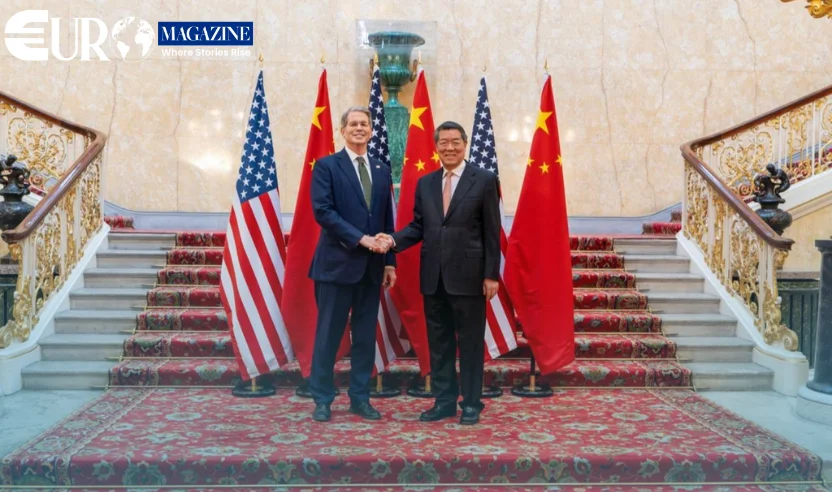
Senior US and Chinese officials concluded two days of economic discussions in Paris, with US Treasury Secretary Scott Bessent describing the talks as “very good” ahead of a planned summit between President Donald Trump and Chinese President Xi Jinping.
The US delegation, led by Bessent and Trade Representative Jamieson Greer, met Chinese Vice Premier He Lifeng and senior trade negotiator Li Chenggang to address key economic and trade issues. The discussions are part of a broader effort to stabilise relations following a period of heightened tariff tensions between the two nations.
According to US officials, Washington urged Beijing to expand imports of American goods, including Boeing aircraft and energy products such as coal, oil and natural gas. Chinese representatives reportedly signalled openness to increasing purchases of US agricultural commodities, including poultry, beef and non-soy crops, while reaffirming commitments to large-scale soybean imports over the coming years.
The Paris meeting follows a series of negotiations held in major global cities, reflecting ongoing diplomatic efforts to manage economic ties between the world’s two largest economies. Both sides also explored the creation of structured mechanisms to guide trade and investment cooperation in non-sensitive sectors.
Progress was reported in discussions surrounding critical minerals, with the United States seeking improved access to resources such as yttrium, which is essential for advanced manufacturing, including aviation technologies. Both countries identified potential steps to ease restrictions in this area.
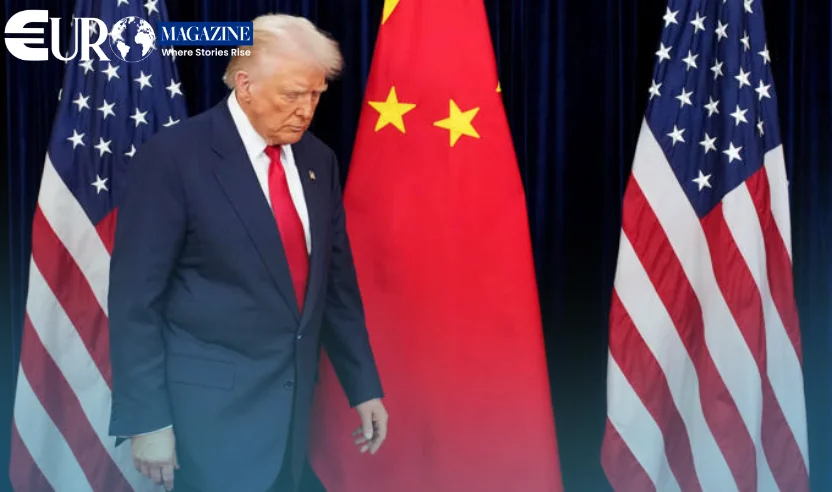
Despite the positive tone, officials emphasised that any major agreements will ultimately depend on decisions taken by Trump and Xi during the upcoming summit in Beijing, scheduled from March 31 to April 2. The visit would mark the first trip by a sitting US president to China in nearly a decade.
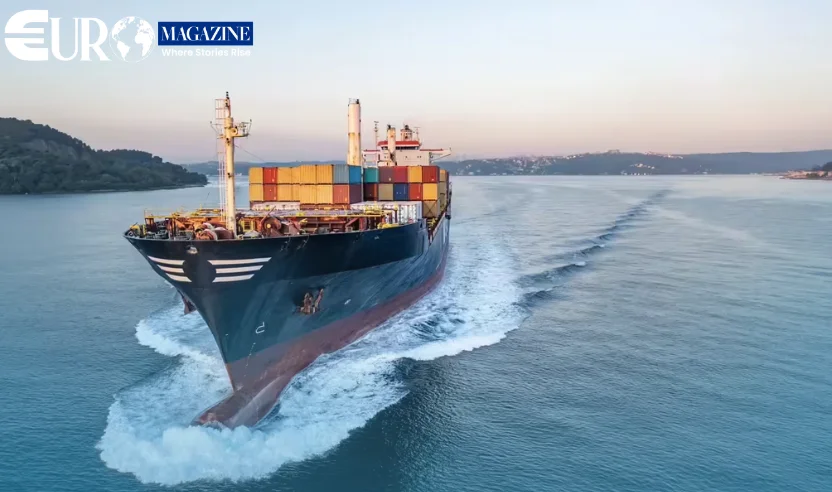
The talks also took place against the backdrop of rising geopolitical tensions linked to the ongoing conflict involving Iran. The situation has led to disruptions in the Strait of Hormuz, a key global oil transit route that is critical to China’s energy imports and international markets.
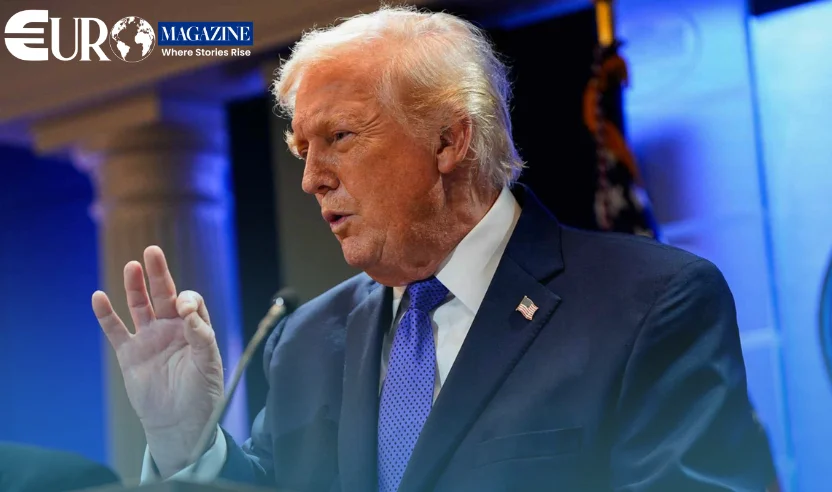
President Trump has suggested that the Beijing visit could be reconsidered if broader geopolitical concerns escalate. However, Bessent clarified that any potential delay would be due to logistical considerations rather than diplomatic pressure.
Meanwhile, US Secretary of State Marco Rubio is expected to join the delegation despite past sanctions imposed on him by China. Beijing has indicated that these measures were linked to his earlier political positions and may not affect his participation in the summit.
As the Beijing meeting approaches, attention is now focused on whether the constructive tone of the Paris talks can translate into concrete agreements on trade, energy cooperation and strategic resources.