

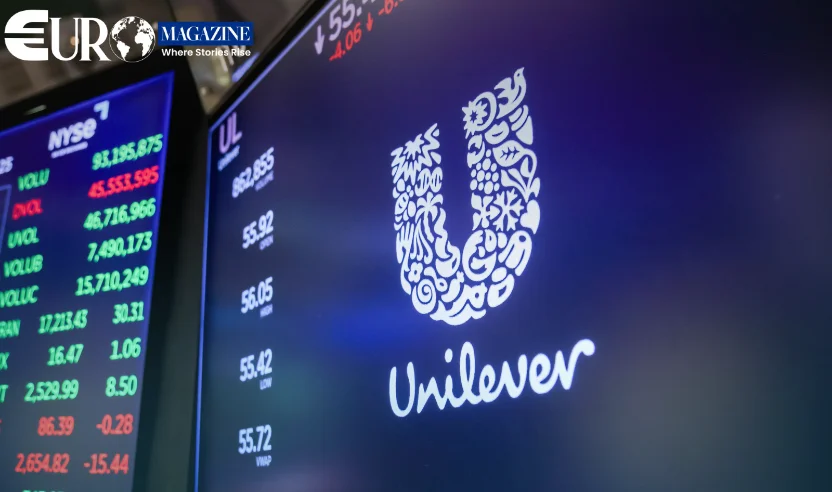
Global consumer goods leader Unilever is moving closer to a landmark agreement with U.S.-based McCormick & Company to restructure its food division, in a deal that could reshape the global packaged food industry.
The proposed transaction involves spinning off a large portion of Unilever’s food business—currently valued at approximately $44.8 billion—into a newly combined entity with McCormick. The move reflects Unilever’s broader strategy to streamline operations and concentrate more heavily on its fast-growing beauty and personal care segments.
Under the terms of the deal, McCormick will contribute around $15.7 billion in cash along with equity, gaining a significant stake in the newly formed company. Once finalized, McCormick shareholders are expected to hold about 35% ownership, while Unilever will retain a 9.9% direct stake, with the remaining majority distributed among Unilever shareholders.
The combined business will operate under the McCormick name and continue with its existing leadership structure, signaling a strategic alignment focused on flavor, seasonings, and culinary products.
Several well-known consumer brands are set to be part of this new entity. From Unilever’s portfolio, products such as Hellmann's and Knorr will be integrated with McCormick’s established brands like Schwartz and Ducros. This combination is expected to create a diversified and globally competitive food business.
Notably, certain regional food operations—specifically those in India, Nepal, and Portugal—will remain outside the scope of the agreement, allowing Unilever to maintain a presence in select strategic markets.
McCormick CEO Brendan Foley stated that the deal aligns with the company’s long-term vision and strengthens its focus on flavor innovation. He emphasized that Unilever’s food portfolio complements McCormick’s capabilities and enhances its global growth potential.
The announcement follows earlier confirmation from both companies that discussions were underway, with Unilever actively exploring ways to simplify its business structure. Market response has been cautiously optimistic, with shares of both companies showing slight gains ahead of trading.