

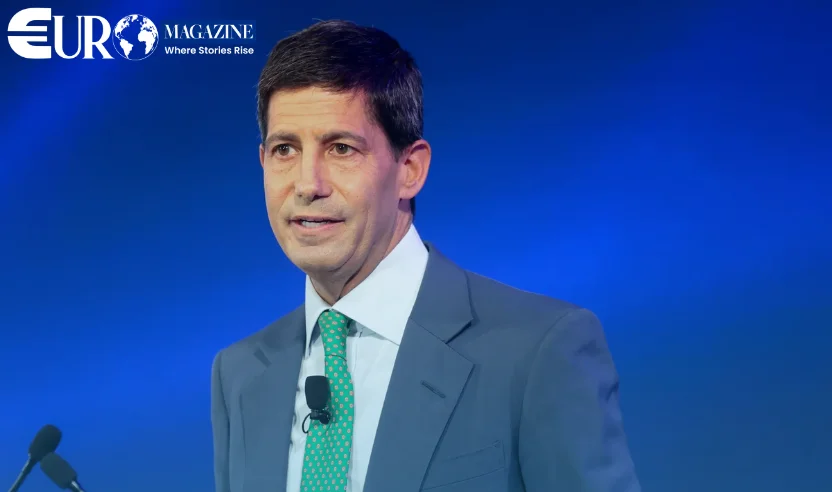
U.S. President Donald Trump on Friday nominated Kevin Warsh to serve as the next chair of the Federal Reserve, ending months of speculation over leadership of the central bank.
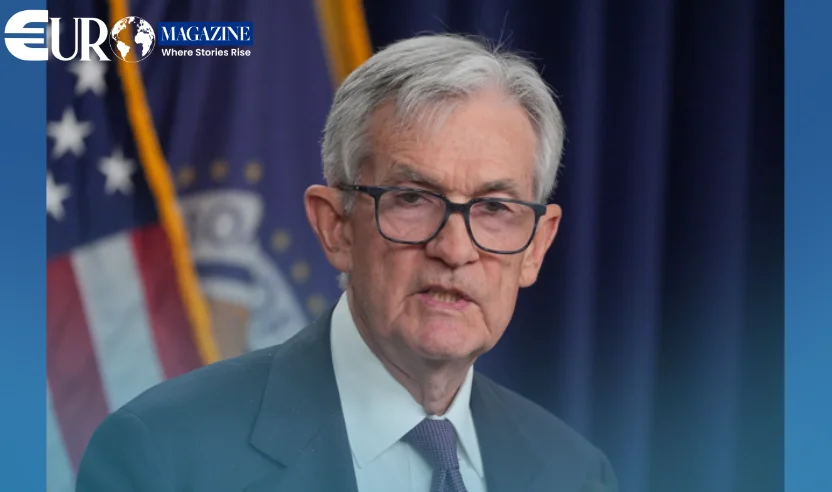
Warsh, 55, is set to succeed Jerome Powell, whose term as chair expires in May. The nomination is subject to Senate confirmation.
“I have known Kevin for a long period of time, and have no doubt that he will go down as one of the great Fed chairmen,” Trump said in a post on his Truth Social platform announcing the decision.
The choice of Warsh is not expected to cause major market disruption, as investors view him as an experienced policymaker who previously served on the Federal Reserve Board and is not seen as closely aligned with political pressure from the White House.
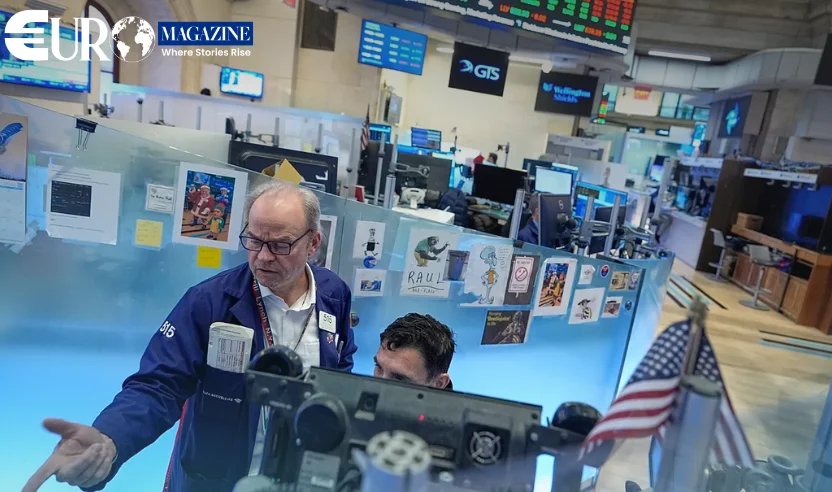
Stock index futures were slightly lower following the announcement but pared earlier losses as markets digested the news.
Warsh will fill a seat on the Federal Reserve’s Board of Governors that becomes vacant this week. If confirmed, he will assume the role of chair when Powell’s term ends.
Trump has frequently criticized Powell and the Federal Reserve since Powell was appointed in 2018, calling for lower interest rates and questioning the central bank’s leadership during periods of elevated inflation and slower economic growth.
Warsh’s nomination comes at a sensitive moment for the Federal Reserve, with inflation still above the bank’s 2% target and increasing political scrutiny over monetary policy decisions.
In previous public remarks, Warsh has called for significant changes at the Federal Reserve, arguing that the institution faces a credibility challenge. His views could place him at odds with some current policymakers, where consensus plays a key role in decision-making.
The confirmation process could face obstacles. Senator Thom Tillis said Friday he would oppose Federal Reserve nominations until a Justice Department inquiry involving Powell is resolved. Other lawmakers, including Senate Banking Committee Chair Tim Scott, welcomed the nomination, citing Warsh’s experience in markets and monetary policy.
If confirmed, Warsh would take over leadership of the Federal Reserve during a period of economic uncertainty, as policymakers weigh interest rate cuts against lingering inflation pressures and slowing labor market conditions.