

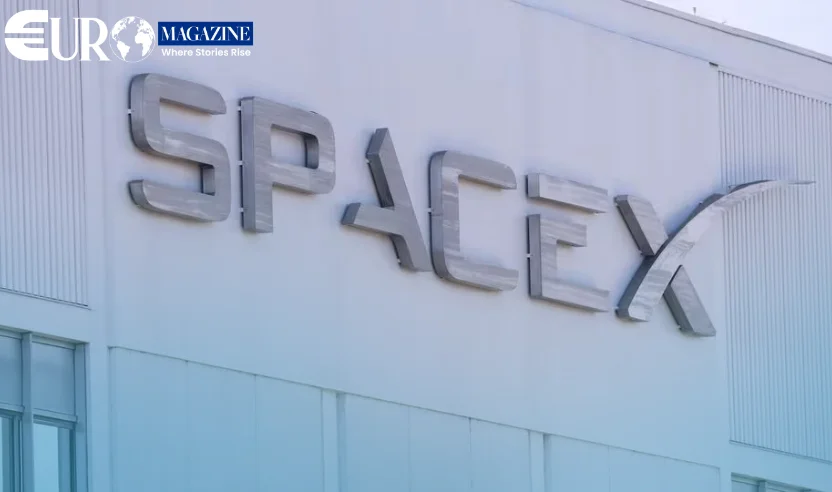
Elon Musk is reportedly planning to allocate up to 30% of shares in SpaceX’s upcoming initial public offering (IPO) to retail investors, marking a major shift from traditional Wall Street practices. According to reports, the move aims to give everyday investors greater access to one of the most anticipated stock market debuts in recent years. Typically, retail investors receive only 5% to 10% of IPO allocations.
SpaceX, the rocket and satellite company founded by Musk, is preparing for what could become the largest IPO in history, expected later in 2026.
Earlier this year, SpaceX completed an all-stock acquisition of xAI, another Musk-led venture. The deal valued SpaceX at approximately $1 trillion and xAI at $250 billion, creating a combined entity worth around $1.25 trillion.
The development has further strengthened SpaceX’s position as the world’s most valuable private company and intensified market speculation that Musk could become the first trillionaire.
Retail Focus and Strategic Allocation
Sources familiar with the matter indicate that the company’s leadership wants to encourage long-term ownership among investors, reducing the likelihood of rapid sell-offs often seen after IPO listings.
SpaceX’s Chief Financial Officer, Bret Johnsen, has reportedly shared the allocation strategy with major investment banks.
The IPO process is expected to follow a structured underwriting approach, where financial institutions are assigned specific roles based on their expertise and market reach.
Among the leading banks involved are Bank of America, Goldman Sachs, JPMorgan Chase, and Morgan Stanley.
Reports suggest Bank of America will manage domestic retail distribution, while Morgan Stanley will handle smaller investor orders through its E*Trade platform. Meanwhile, UBS and Citi are expected to oversee international investor participation.
A Key Test for Tech Market Sentiment
Market analysts view the SpaceX IPO as a critical indicator of investor confidence in the technology and artificial intelligence sectors.
Russ Mould noted that the IPO could test whether high valuations and heavy investment in AI continue to attract strong market interest.
The offering could reportedly involve selling up to $75 billion in shares, potentially pushing SpaceX’s market capitalisation to $1.5 trillion. If achieved, the company would rank among the world’s top publicly traded firms.
Dan Coatsworth described investor anticipation as similar to a rocket launch countdown, highlighting the strong interest driven by Musk’s global following.
As markets await further details, the SpaceX IPO is expected to play a defining role in shaping sentiment across global technology stocks.