

Global oil prices surged sharply on Wednesday after Israeli strikes targeted key energy infrastructure in Iran, intensifying concerns over supply disruptions and escalating geopolitical tensions in the Middle East. Brent crude climbed to $110 per barrel, while the US benchmark West Texas Intermediate (WTI) rose to around $98 per barrel, reflecting heightened volatility in energy markets.
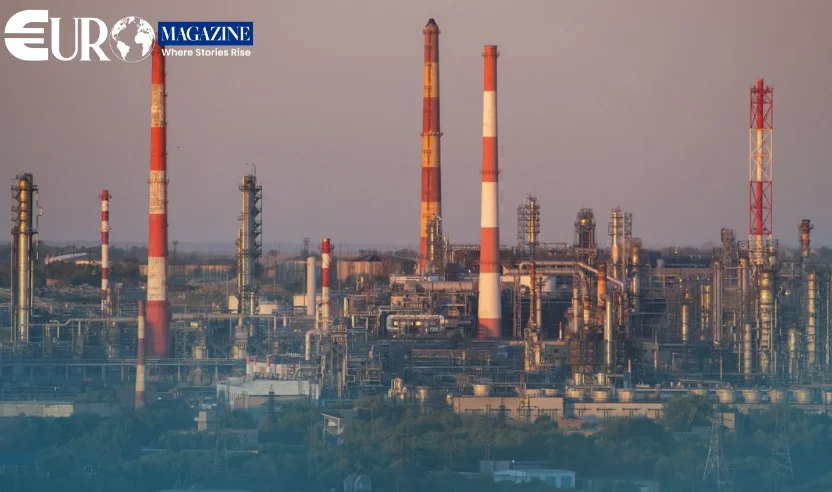
According to reports, the strikes hit parts of Iran’s South Pars gas field—one of the largest in the world—as well as the Asaluyeh oil facility, both critical to the country’s energy output. The developments triggered immediate market reactions, with investors pricing in potential risks to global oil supply.
In response, Iran’s Islamic Revolutionary Guard Corps (IRGC) warned that certain energy installations in the Gulf could be considered “legitimate targets,” raising fears of further escalation across the region.
The renewed tensions have overshadowed recent developments that might otherwise have stabilised prices. Saudi Arabia confirmed the resumption of operations at its major Ras Tanura refinery, and the United States announced a temporary waiver of the Jones Act to ease domestic fuel transportation constraints.
Despite these measures, markets remain focused on the risk of prolonged conflict and potential damage to vital oil infrastructure, which could disrupt supply routes and tighten global availability.
In a parallel development, US President Donald Trump has urged allied nations to support efforts to secure the Strait of Hormuz—a critical global shipping route for oil. Discussions around a potential naval escort mission are ongoing, although no confirmed commitments have been announced so far.
With uncertainty surrounding the conflict and its impact on energy supply chains, analysts expect oil markets to remain volatile in the near term, closely tracking geopolitical developments in the region.