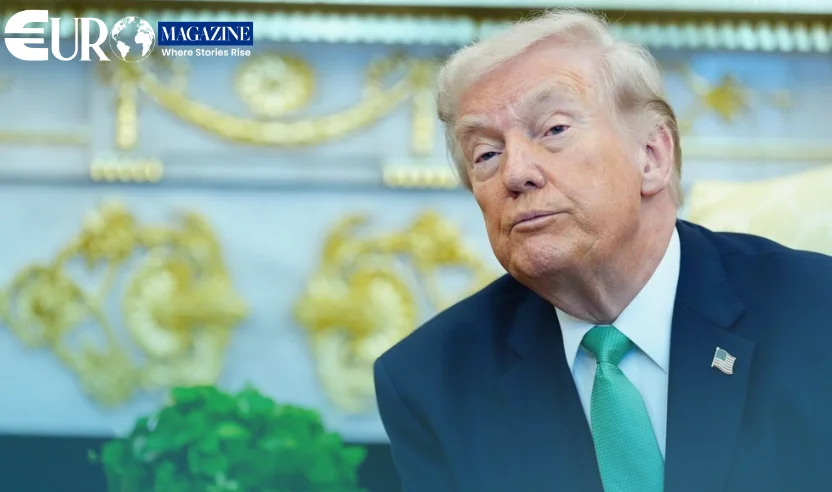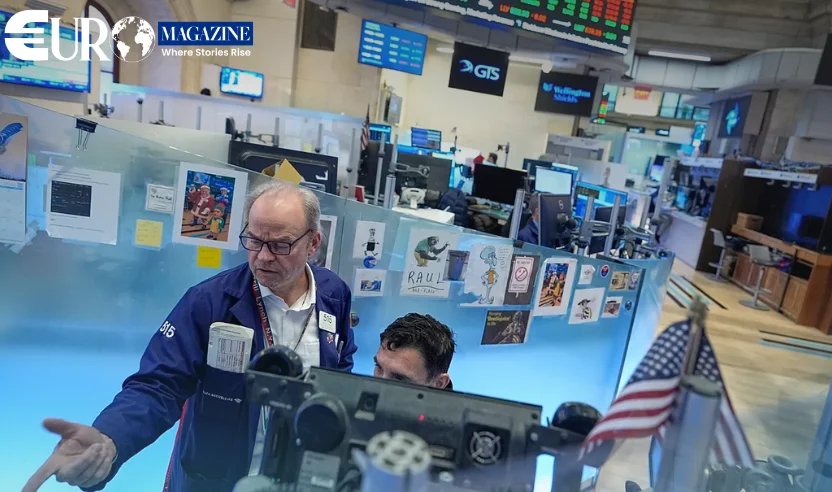



Global markets opened on a cautious note as oil prices remained elevated above the $100 mark, while equities declined amid ongoing uncertainty surrounding the US–Iran conflict and potential diplomatic negotiations. At the opening bell in the United States, major indices moved lower, with the S&P 500 down around 0.65%, the Dow Jones Industrial Average falling 0.8%, and the Nasdaq slipping by a similar margin. Investor sentiment remained fragile despite signals from US President Donald Trump indicating progress in talks with Iran.
Oil Prices Stay Elevated Despite Diplomatic Signals
Benchmark crude prices continued to reflect tight supply conditions. US crude traded near $92 per barrel, while Brent crude hovered around $103, maintaining its position above the critical $100 threshold.
The market remains highly sensitive to developments in the Strait of Hormuz, a key global oil transit route that has been disrupted amid escalating tensions. Reports of Iran imposing transit fees on commercial vessels have further intensified concerns over shipping costs and supply constraints.
Volatility Driven by Conflicting Signals
Oil prices have seen sharp swings in recent sessions. Markets briefly rallied after indications of possible diplomatic progress, only to reverse course following strong denials from Iranian officials, which triggered another surge in crude prices.
Despite the volatility, analysts suggest that ongoing talks—reportedly expected to take place in Pakistan—could represent an initial step toward de-escalation.
Risk of Further Price Surge
Financial institutions warn that the current situation could worsen if disruptions persist. Analysts project that Brent crude could rise to $120 per barrel in the near term, with extreme scenarios potentially pushing prices toward $200 if supply constraints continue through the coming months.
The projections are based on a significant reduction in global oil supply, with millions of barrels per day effectively removed from the market.
Global Markets Reflect Uneven Impact
European markets initially showed resilience but later turned negative, with key indices such as the Euro Stoxx 50, FTSE 100, and DAX declining during the session. In contrast, Asian markets presented a mixed picture, with gains in China and South Korea offset by losses in Japan and Australia.
Meanwhile, European natural gas prices eased, offering some relief amid broader energy market turbulence.
Outlook Remains Uncertain
As geopolitical tensions persist, markets are expected to remain volatile. Investors are closely watching diplomatic developments, supply disruptions, and pricing trends, as these factors continue to shape both energy and equity markets globally.