

Germany’s economic outlook has deteriorated sharply as the ongoing Iran conflict adds fresh pressure to an already fragile recovery, prompting leading research institutes to significantly cut growth projections while warning of rising fiscal strain. According to the latest joint economic forecast prepared by institutions including the German Institute for Economic Research and the Ifo Institute, Europe’s largest economy is now expected to grow by just 0.6% in 2026—less than half of earlier estimates. Growth is projected to recover only modestly to 0.9% in 2027.
The downgrade reflects mounting pressure from surging energy costs and disrupted global trade routes linked to the conflict in the Middle East. Analysts warn that the shock is arriving at a time when Germany is only beginning to emerge from a prolonged period of weak economic performance.
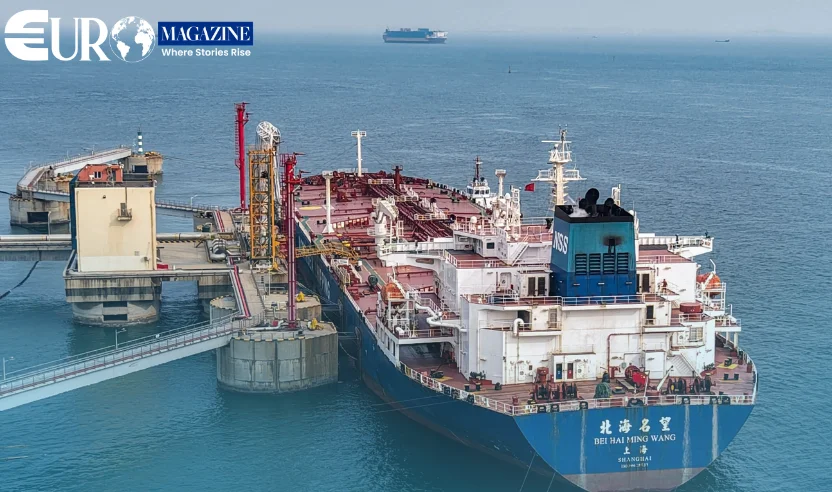
Energy prices have become a central concern, with the conflict affecting supply chains and driving up costs across industries. The situation is particularly sensitive due to risks surrounding the Strait of Hormuz, a key global energy transit route. Any prolonged disruption could further intensify price pressures and weigh on economic activity.
Inflation is also expected to rise as a result of these developments. Forecasts suggest consumer prices could increase by 2.8% in 2026 and 2.9% in 2027, with the potential for sharper spikes in the near term driven by higher fuel and heating costs.
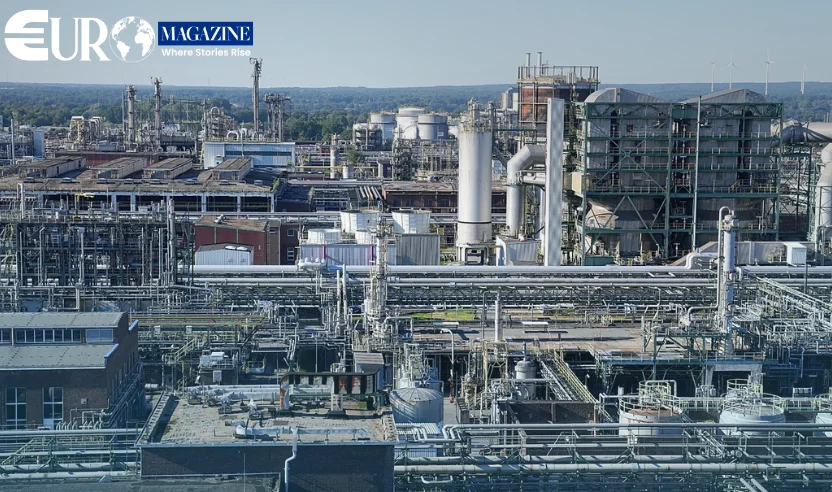
The impact is being felt unevenly across sectors. Germany’s energy-intensive industries, particularly the chemical sector, are facing acute challenges due to supply shortages and rising input costs. Limited alternatives for critical raw materials are further complicating the situation, especially for small and medium-sized enterprises that lack flexibility in sourcing.
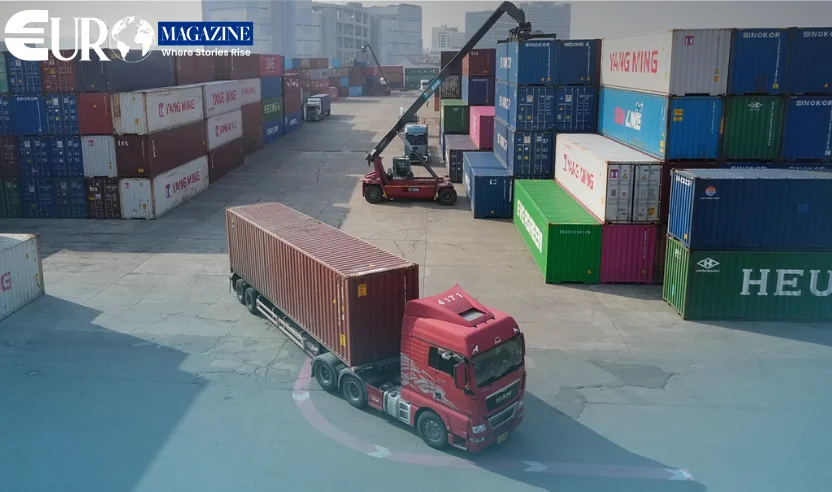
Exports, traditionally a key driver of Germany’s economy, remain subdued amid weak global demand and heightened geopolitical uncertainty. At the same time, low capacity utilisation continues to constrain industrial output.
In response to the economic slowdown, the German government is increasing public spending on defence, infrastructure and climate initiatives. However, this fiscal expansion is expected to push the country’s deficit to 3.7% of GDP in 2026 and further to 4.2% in 2027, with public debt rising to approximately 67.2% of GDP.
While the additional spending may provide short-term support, economists caution that it also introduces long-term risks to public finances, potentially requiring consolidation measures in the years ahead.
The labour market is also showing signs of strain. Employment is projected to decline by around 100,000 jobs in 2026, with only a modest recovery expected the following year. The unemployment rate is forecast to rise to 6.4% before easing slightly in 2027.
Beyond immediate challenges, structural issues continue to weigh on Germany’s long-term outlook. An ageing workforce, declining productivity growth and regulatory constraints are limiting the country’s economic potential. Researchers warn that without meaningful reforms, Germany risks prolonged stagnation regardless of how the geopolitical situation evolves.
Economic experts have urged policymakers to focus on structural reforms rather than broad market interventions, emphasizing the need to reduce regulatory barriers, encourage investment and strengthen labour incentives.
As geopolitical tensions persist and economic vulnerabilities deepen, Germany faces a critical moment in balancing short-term stability with long-term competitiveness.