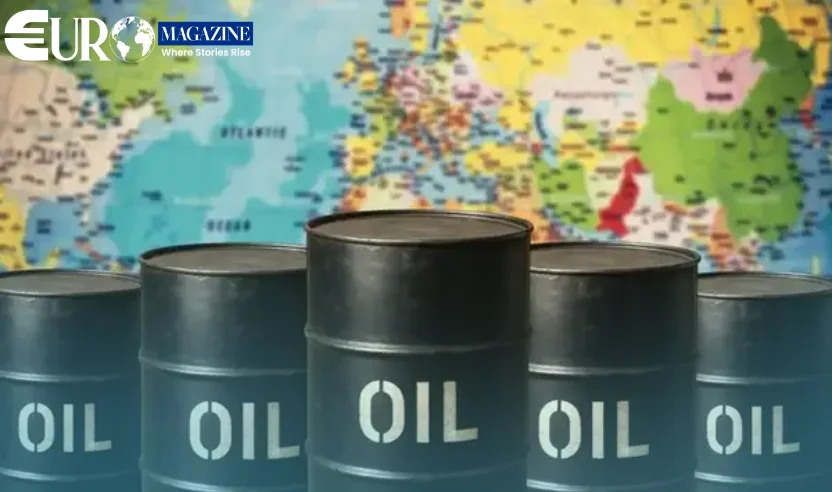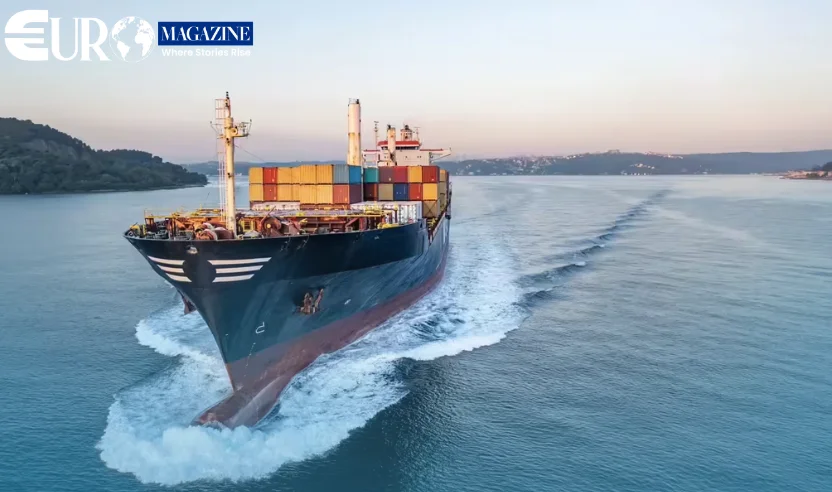


The International Energy Agency (IEA) has urged governments to introduce immediate measures to reduce oil demand, including promoting remote work, limiting air travel, and encouraging the use of public transport, as global energy markets face severe disruption. In a report released on Thursday, the agency said the ongoing Middle East conflict has triggered the “largest supply shock in modern history,” with the closure of the Strait of Hormuz significantly impacting global oil flows.
The waterway, which handles nearly 20% of the world’s oil supply, has been disrupted following military escalation in the region since late February. Oil prices have risen above $100 per barrel, increasing pressure on economies worldwide.
The IEA called on governments to expand remote working policies, reduce highway speed limits, and promote car-sharing and public transport to curb fuel consumption. It also suggested that restrictions on car use in major cities could be considered.
Road transport accounts for about 45% of global oil demand, making it a key target for immediate reductions.
The agency also highlighted aviation as an area for potential savings. It said business air travel could be reduced by up to 40% in the short term, which could lower jet fuel demand by between 7% and 15%.
Several countries have already taken steps in this direction. Governments in parts of Asia have introduced shorter work weeks and expanded remote work policies to reduce fuel usage.
Despite the release of around 400 million barrels from emergency reserves, the IEA warned that supply-side measures alone would not be sufficient to stabilise markets.
“The resumption of transit through the Strait of Hormuz is the single most important action to return to stable oil and gas flows,” the agency said.
The IEA also warned that rising energy costs could have broader economic impacts, particularly on lower-income households, and called for targeted financial support.
Analysts say that if disruptions in the Strait of Hormuz continue, global supply risks could increase further in the coming weeks.