
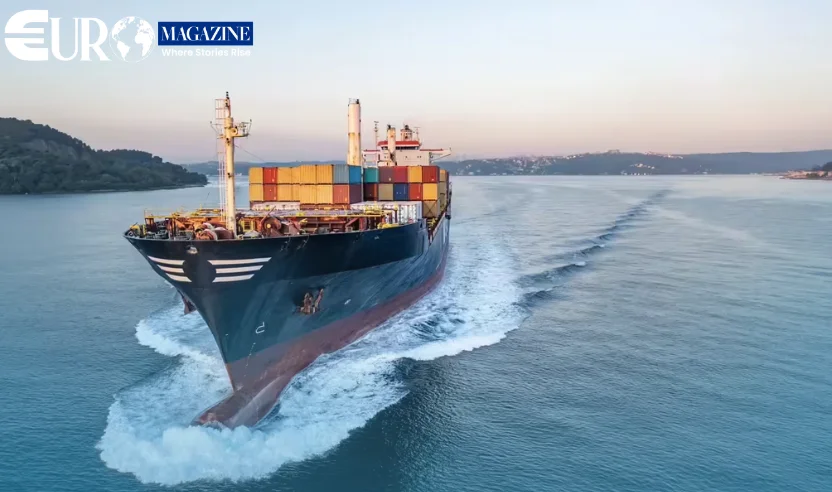
The Strait of Hormuz has become one of the world’s most expensive and high-risk shipping corridors, as escalating conflict in the region drives a sharp rise in insurance premiums, disrupts trade flows, and threatens global energy stability.
Once responsible for carrying nearly 20 percent of global oil trade and a significant share of fertiliser shipments, the narrow waterway has now emerged as a focal point of geopolitical tension. Missile threats, naval deployments, and security risks have transformed the strait into a hostile operating zone for commercial vessels.
Shipping activity has slowed significantly, with hundreds of tankers remaining idle on either side of the corridor. Despite assurances from the United States about potential naval support, many shipping companies continue to avoid the route due to safety concerns.
The most immediate impact has been seen in insurance costs. War-risk premiums for vessels transiting the region have surged by as much as 200 to 300 percent since the conflict began. Before the crisis, insurance costs were minimal, but they have now risen sharply, making each voyage significantly more expensive.
For large oil tankers, the cost of insurance per trip has increased several-fold, adding substantial financial pressure on shipping operations. Industry experts warn that these rising costs will soon be passed down the supply chain, affecting fuel prices and consumer goods worldwide.
Major global shipping companies, including Maersk, MSC, CMA CGM, and Hapag-Lloyd, have already suspended or rerouted voyages to avoid the high-risk zone. Alternative routes, however, are limited due to the geography of the Persian Gulf, leading to longer transit times and additional logistical challenges.
Businesses are now being forced to rethink supply chain strategies. Industry analysts emphasise the need for diversification, improved risk monitoring, and stronger contingency planning to manage ongoing disruptions. Companies are also increasing focus on real-time intelligence, crew preparedness, and operational flexibility.
The possibility of naval escorts has been raised as a potential solution. The United States has proposed coordinated efforts to secure shipping lanes, urging major economies dependent on Gulf energy supplies to participate. However, experts caution that even with military presence, the region will likely remain a high-risk zone.
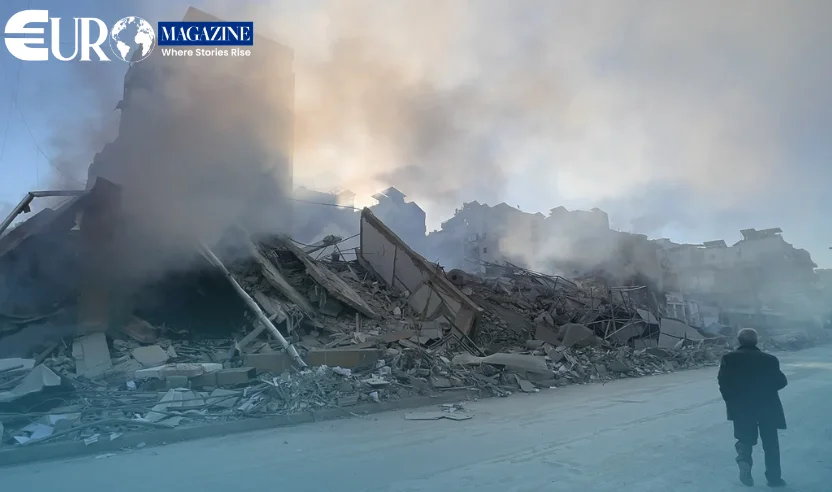
Since the conflict began, multiple vessels have reportedly been attacked or damaged, further heightening uncertainty. Analysts warn that a prolonged disruption in the Strait of Hormuz could have far-reaching consequences for the global economy, potentially affecting trade flows, inflation levels, and energy markets for years.
Economists and trade experts are increasingly calling for stronger international cooperation and more resilient supply chains. Expanding trade partnerships and reducing dependence on single routes or suppliers are seen as essential steps to mitigate future risks.
As tensions continue, the Strait of Hormuz remains a critical pressure point in global trade, with developments in the region likely to influence economic stability far beyond the Middle East.