

The world’s wealthiest football clubs generated a record €12.4 billion in revenue during the 2024–25 season, highlighting a growing shift away from reliance on domestic broadcast deals and towards commercial expansion, stadium monetisation, and global brand development, according to the latest Deloitte Football Money League.
The 29th edition of the annual report shows combined revenues among the top 20 clubs rising 11 per cent year on year, underlining what Deloitte described as a significant evolution in football’s financial model. Commercial income has emerged as the dominant growth driver, supported by merchandising, sponsorships, and increased non-matchday use of stadium infrastructure.
Deloitte’s analysis revealed that commercial revenue reached €5.3 billion, becoming the first income stream to exceed the €5 billion mark. Broadcast revenue climbed to €4.7 billion, while matchday income rose to €2.4 billion, with all three categories hitting record levels during the season.
The report attributed this growth to improved retail performance, rising sponsorship values, and the transformation of stadiums into year-round entertainment destinations. Across Europe, elite clubs are increasingly integrating restaurants, hotels, retail spaces, and leisure facilities into stadium complexes, positioning themselves as lifestyle brands rather than purely sporting institutions.
Matchday revenue recorded the fastest growth, increasing 16 per cent year on year for the fourth consecutive season. Deloitte pointed to premium ticketing models and the wider adoption of Personal Seat Licences (PSLs) as key contributors to the surge.
Real Madrid Leads as Commercial Powerhouse
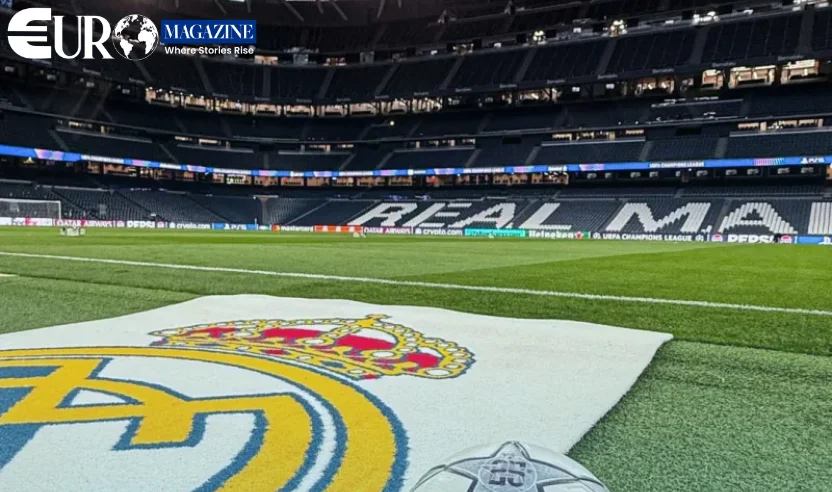
At the top of the rankings, Real Madrid once again set the benchmark, generating close to €1.2 billion in total revenue. The club recorded €594 million in commercial income alone, enough to place it among the top ten Money League clubs even without matchday or broadcast revenue.
Barcelona returned to second place for the first time since the 2019–20 season, posting revenues of €975 million, despite continuing to play away from the Spotify Camp Nou during redevelopment works. Deloitte noted a 27 per cent revenue increase, supported in part by the introduction of PSLs linked to the stadium project.
Bayern Munich rose to third with revenues of €861 million, benefiting from a broadcast uplift linked to the expanded FIFA Club World Cup. Paris Saint-Germain remained fourth at €837 million, with Deloitte highlighting the club’s ability to leverage brand equity through global partnerships that extend beyond traditional football audiences.
Liverpool Emerges as Top-Earning English Club
Liverpool ranked fifth overall and became the highest-earning English club for the first time, generating €836 million. Deloitte attributed the rise to a strong rebound in broadcast revenue following the club’s return to the Champions League, alongside increased commercial income driven by non-matchday use of Anfield.
By contrast, Manchester City slipped to sixth after a marginal decline in revenue, while Manchester United fell to eighth, its lowest position in Money League history, as weaker on-pitch performance impacted broadcast earnings despite higher matchday and commercial income.
Structural Pressure on French Football
France was represented by only one club in the top 20, PSG, highlighting growing structural challenges for Ligue 1. Deloitte noted that the league’s domestic broadcast deal for the 2024–25 season was around 20 per cent lower than the previous cycle following a prolonged tender process.
The subsequent collapse of the DAZN agreement and the launch of Ligue 1’s direct-to-consumer streaming platform in the 2025–26 season are expected to weigh on revenues in the short to medium term, despite the league becoming the first major European competition to adopt a D2C broadcast model.
Women’s Football and Emerging Markets
Alongside the men’s rankings, Deloitte published a separate list of the 15 highest-revenue women’s clubs, reflecting accelerating commercial interest in women’s football across England, France, Spain, and Germany.
Looking ahead, Deloitte said increased investment in the Saudi Pro League and Major League Soccer, particularly around Inter Miami, could challenge Europe’s financial dominance. With the 2026 FIFA World Cup approaching, the report suggested MLS clubs are well positioned to unlock new audiences in the United States.
Since the 2014–15 season, Money League club revenues have grown at a compound annual rate of 6 per cent, with Deloitte warning that long-term sustainability will depend on smarter commercial strategies, regulatory stability, and balanced competition structures.