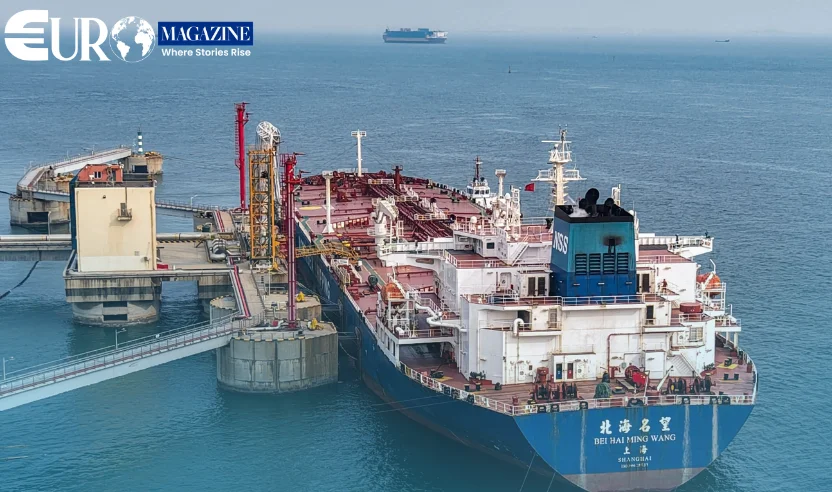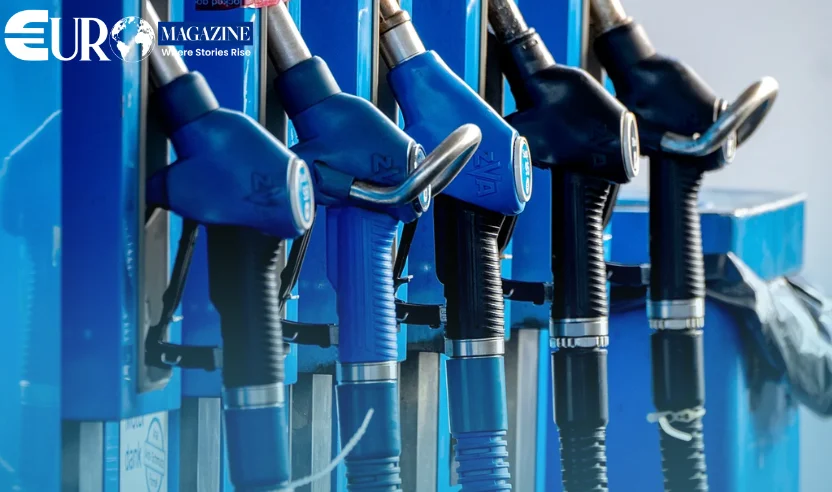

European policymakers are reconsidering the role of nuclear energy as rising costs and supply disruptions linked to the Middle East conflict expose the region’s dependence on imported fuel. The debate has intensified after the effective disruption of the Strait of Hormuz, a key global energy route, pushed prices higher and increased pressure on Europe’s energy system.
The European Commission this month outlined a set of nuclear-related initiatives as part of its broader energy strategy, signalling a shift in policy discussions around energy security and affordability.
Europe currently imports more than half of its energy needs, with oil and gas accounting for a significant share of consumption. Despite growth in renewables, the bloc remains heavily reliant on external suppliers.
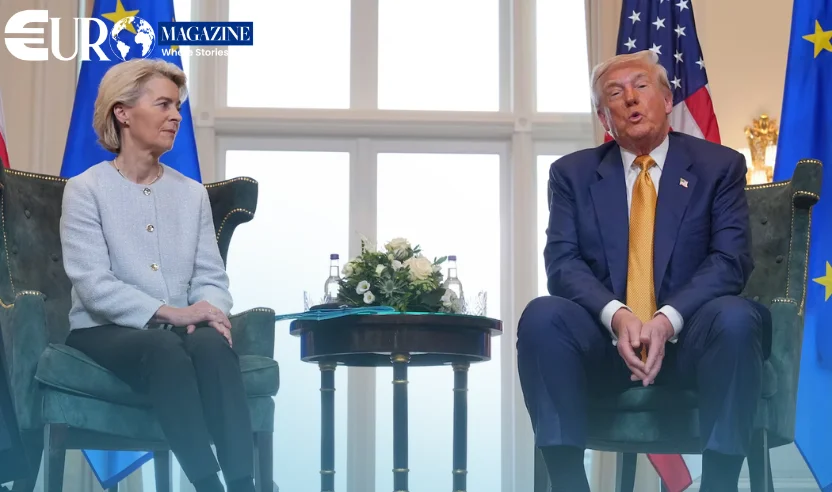
European Commission President Ursula von der Leyen said reducing nuclear capacity in the past had been a “strategic mistake,” highlighting a change in stance as energy concerns deepen.
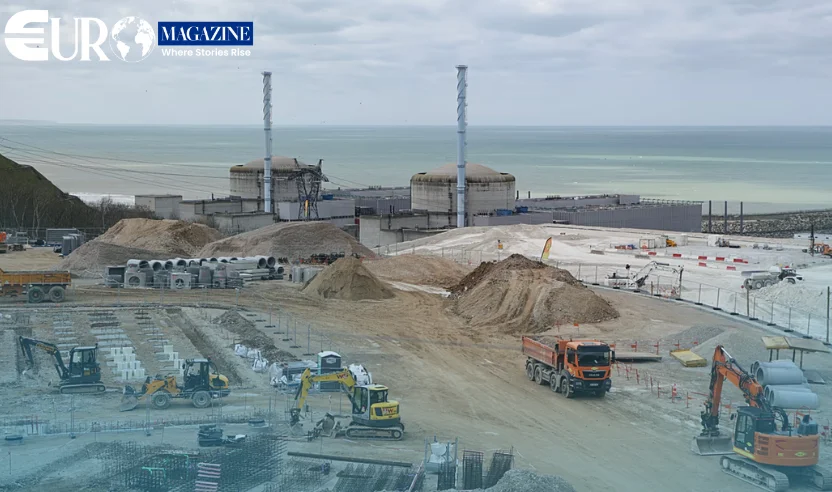
Several countries are now reviewing their positions. France, which generates around 65% of its electricity from nuclear power, is moving ahead with plans to build new reactors. Belgium is considering extending the life of existing plants, while Italy is preparing legislation that could reopen the door to nuclear energy.
Germany, which shut down its last reactors in 2023, has acknowledged challenges following its phase-out, although restarting facilities is not currently feasible.
The European Commission is also promoting small modular reactors (SMRs), which are seen as a faster and more flexible option compared to traditional nuclear plants. Early deployment is expected in the next decade, with capacity projected to grow significantly by 2050.
Nuclear energy currently accounts for about 23% of the European Union’s electricity and around half of its low-carbon power generation.
However, challenges remain. High costs, long construction timelines, regulatory hurdles and public opposition continue to limit rapid expansion. Questions around waste management and safety also remain unresolved.
Analysts say nuclear power cannot provide an immediate solution to the current energy crisis but could play a key role in improving long-term energy security and reducing dependence on imports.