

The European Union and India have concluded a landmark free trade agreement, bringing two of the world’s largest economies closer at a time of rising global trade uncertainty and geopolitical strain.
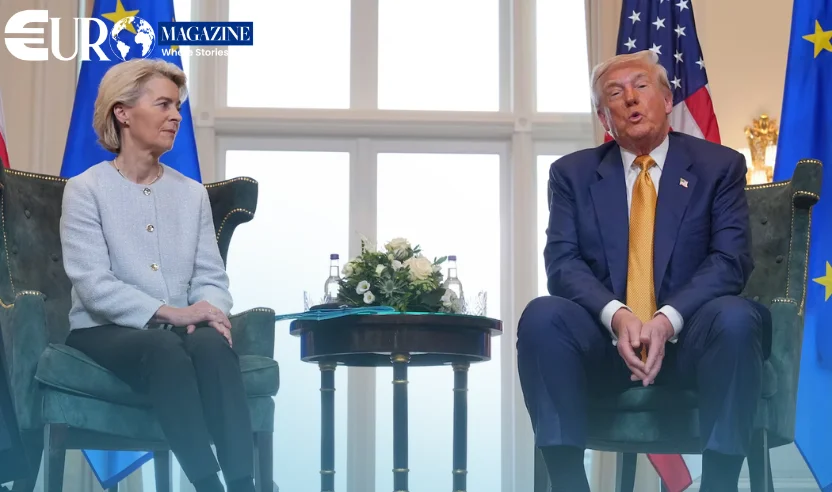
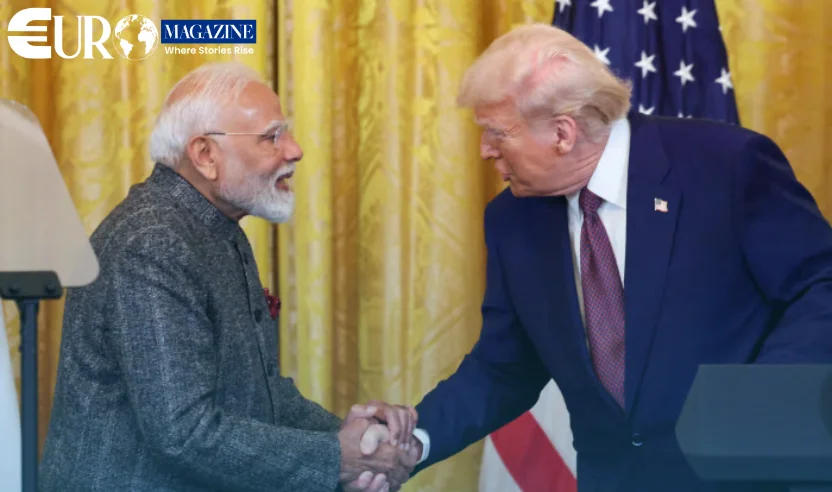
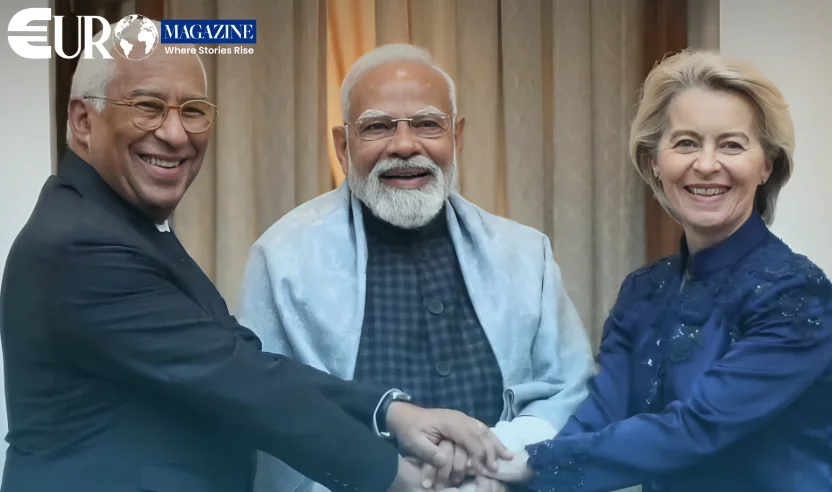
The agreement was announced following meetings between Indian Prime Minister Narendra Modi, European Council President Antonio Costa, and European Commission President Ursula von der Leyen in New Delhi.
Covering markets that together represent nearly two billion people and around a quarter of global economic output, the pact is the largest bilateral trade deal ever signed by either side.
What the agreement includes
At the heart of the deal is a sweeping reduction in tariffs on goods traded between the European Union and India.
India will eliminate or reduce duties on about 96.6 per cent of EU goods exports, while the EU will liberalise 99.5 per cent of its tariff lines on imports from India over a seven-year period. European officials estimate that EU exporters could save up to €4 billion annually in customs duties once the agreement is fully implemented.
The deal also opens up key services sectors, including financial services, professional services and maritime transport. According to the European Commission, India’s commitments on services are the most ambitious it has offered in any trade agreement to date.
Impact on industry and jobs
High Indian tariffs have long been a major barrier for European manufacturers. Average industrial tariffs in India exceed 16 per cent, among the highest for major economies.
Under the agreement, duties on machinery, electrical equipment, chemicals, pharmaceuticals and vehicles will be sharply reduced or eliminated over phased timelines. Indian tariffs on cars, which currently reach as high as 110 per cent, will fall significantly, subject to quotas, while auto parts will eventually become duty-free.
EU officials say trade with India already supports around 800,000 jobs across the bloc. The agreement is expected to strengthen employment in manufacturing, services and supply chains as trade volumes expand.
Agriculture and consumer goods
Agriculture, traditionally the most sensitive area in EU–India talks, has also seen progress. While staple products such as beef, rice, sugar and poultry remain excluded, high-value European exports are set to gain better access to India’s growing consumer market.
Tariffs on wine, spirits, beer and olive oil, some of which currently reach 150 per cent, will be reduced substantially, improving competitiveness for European producers while maintaining EU food safety standards.
Benefits for small businesses
The deal includes a dedicated chapter for small and medium-sized enterprises (SMEs), aimed at making trade rules more accessible. Both sides plan to establish SME contact points and a shared digital platform to provide clear information on tariffs, customs procedures and market access requirements.
What happens next
The agreement will now undergo legal review and translation before being submitted to the European Parliament and EU Council for approval. India will also need to complete its domestic ratification process.
Once approved, the deal will enter into force gradually, with tariff reductions and regulatory changes phased in over up to ten years.
For the EU, the agreement is seen as a strategic move to deepen economic ties with one of the world’s fastest-growing major economies. With India’s economy expanding at over 6 per cent annually, officials expect the pact to significantly boost trade, investment and job creation on both sides in the coming decade.