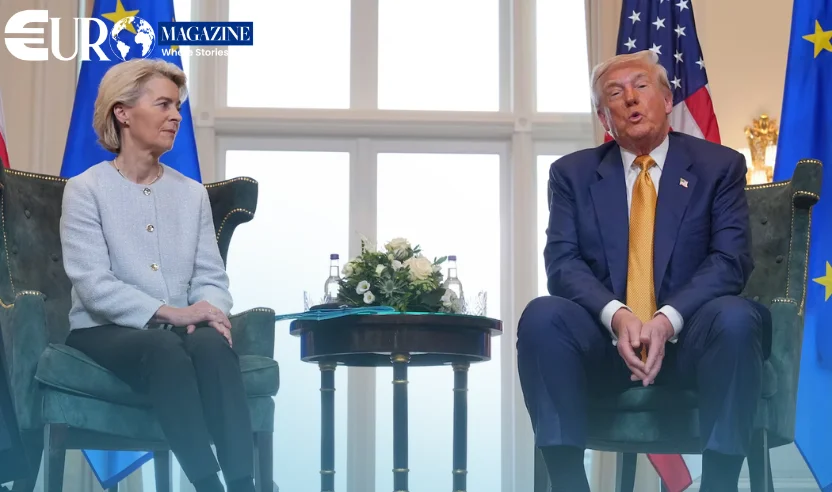

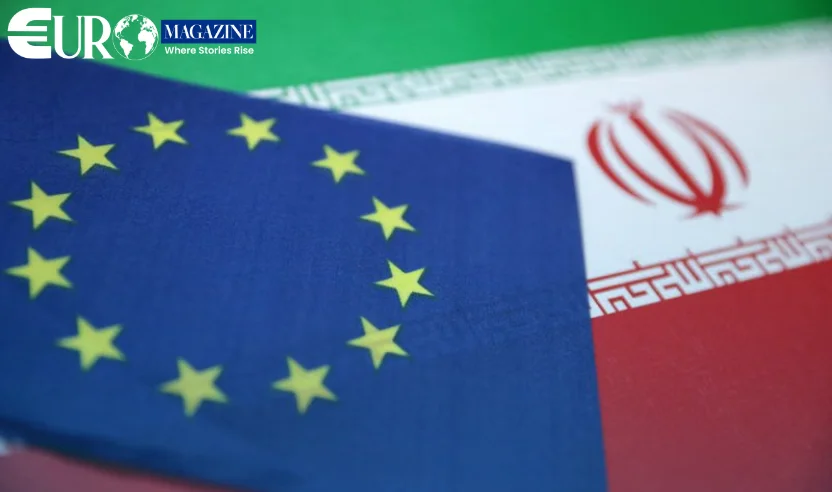
Brussels: The European Union has approved fresh sanctions against Iran over human rights abuses and Tehran’s support for Russia’s war in Ukraine, even as limited trade between the two sides continues.
EU foreign ministers this week agreed to tighten pressure on Iran following a violent crackdown by authorities. The latest measures build on sanctions first imposed in the late 2000s, initially aligned with United Nations Security Council actions targeting Iran’s nuclear programme.
Sanctions were strengthened in 2011 in response to human rights concerns and have since been renewed annually. They were most recently extended until April 2026.
Despite the long-standing restrictions, trade between the EU and Iran has not been fully cut off, although volumes remain far below historic levels.
Trade volumes remain modest
According to Eurostat data, total trade in goods between the EU and Iran reached €4.6 billion in 2024. EU imports from Iran stood at €850 million, while exports to Iran amounted to €3.7 billion, resulting in a trade surplus of nearly €2.9 billion in favour of the EU.
Trade in services also continued, albeit on a limited scale. Two-way trade in services totalled €1.68 billion in 2023, with EU exports slightly exceeding imports, based on figures from the European Commission.
In overall terms, Iran plays only a minor role in EU trade. In 2024, it accounted for just 0.1 per cent of EU exports to non-EU countries, while its share of EU imports from outside the bloc was negligible.
This marks a sharp decline from the mid-2000s, when Iran represented around 1 per cent of both EU exports and imports.
Sharp fall from pre-sanctions peak
EU–Iran trade peaked at more than €27 billion in 2011, before tougher sanctions were introduced. By 2013, trade had fallen to €6.1 billion.
A temporary rebound followed the 2015 nuclear agreement, formally known as the Joint Comprehensive Plan of Action (JCPOA), with trade rising to €20.7 billion in 2017. However, renewed sanctions led to another sharp decline, with trade dropping to €5.1 billion in 2019 and remaining close to that level since.
While Iran previously enjoyed a trade surplus with the EU, the balance has largely shifted in favour of the bloc since 2011, as exports have consistently exceeded imports.
Germany remains Iran’s top EU trading partner
As of 2024, Germany was Iran’s largest trading partner within the EU, accounting for 32.6 per cent of total EU–Iran trade.
Germany imported €212 million worth of goods from Iran and exported €1.27 billion.
Italy ranked second, with a 15.6 per cent share, followed by the Netherlands at 13.3 per cent. Despite ranking third overall, the Netherlands was the EU’s second-largest exporter to Iran.
Other EU countries with trade volumes exceeding €200 million included Belgium, Spain, France, and Bulgaria.
Only Sweden and Luxembourg recorded slightly higher imports from Iran than exports, though the trade imbalances were small and economically insignificant.
What goods are traded?
Iran is not a member of the World Trade Organization, and there is no bilateral trade agreement with the EU. Trade is governed by the EU’s general import regime.
Machinery and transport equipment dominate EU exports to Iran, reaching €1.28 billion in 2024, or 34 per cent of total exports. Chemicals and related products followed at €1.13 billion, accounting for 31 per cent.
EU imports from Iran are more limited and concentrated. Food and live animals made up the largest share at €305 million, followed by chemicals, manufactured goods by material, and crude materials excluding fuels.
While political tensions between Brussels and Tehran continue to intensify, the data shows that limited commercial ties remain in place, even as sanctions aim to further restrict Iran’s international engagement.