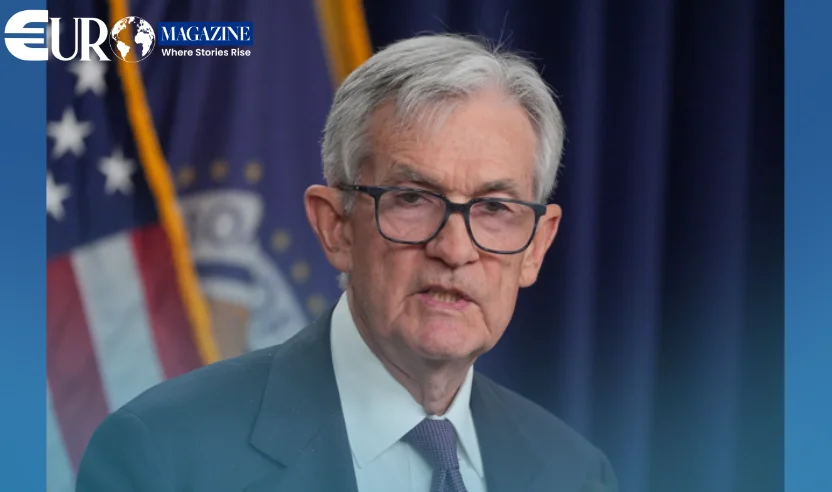


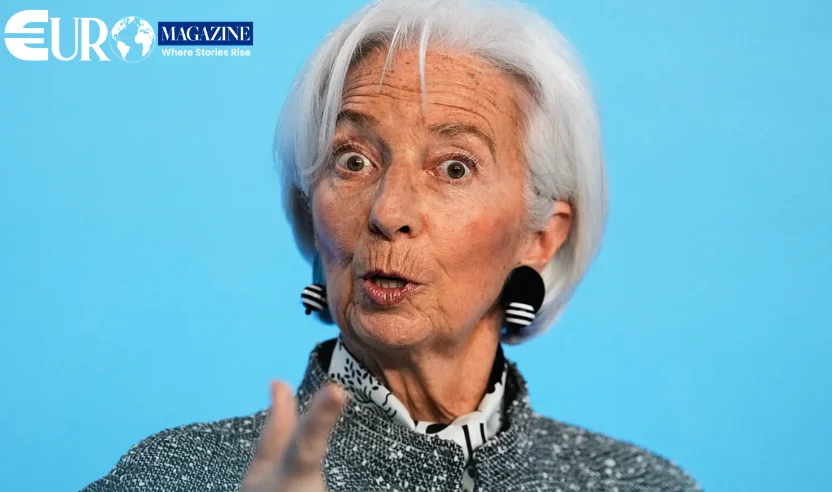
The European Central Bank on Thursday warned that the Iran war is having a “material impact” on inflation, as it left interest rates unchanged and flagged rising risks from higher energy prices. ECB President Christine Lagarde said the conflict has made the outlook “significantly more uncertain” and is creating upward pressure on inflation through oil and gas markets.
The central bank said inflation is projected to average 2.6% in 2026, before easing to 2.0% in 2027 and 2.1% in 2028, though these forecasts assume relatively contained energy disruptions.
Lagarde said that in a more adverse scenario involving prolonged supply disruptions, inflation could rise to 3.5% in 2026, and up to 4.4% in a severe case.
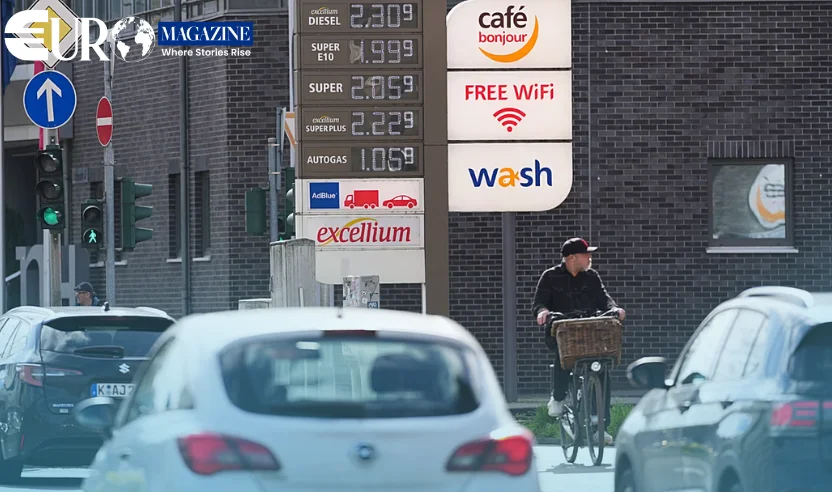
She warned that higher energy prices could trigger broader inflation through indirect effects on wages and services if they persist.
The ECB also revised down its growth outlook, with eurozone GDP now expected to expand by 0.9% in 2026, reflecting the impact of higher energy costs on consumption and business confidence.
Lagarde said policymakers would continue to assess incoming data and take a meeting-by-meeting approach to interest rate decisions.
“We are not pre-committing to a particular rate path,” she said.
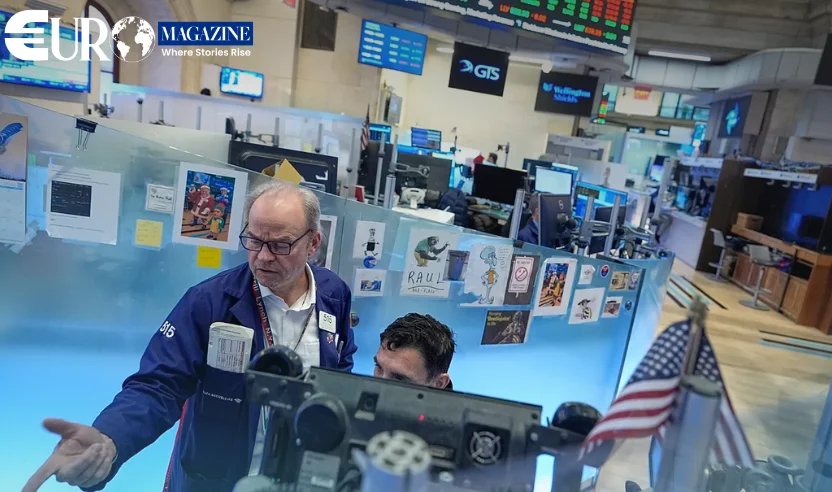
Market reaction was mixed, with the euro strengthening slightly against the U.S. dollar while European equity markets declined amid rising oil and gas prices.
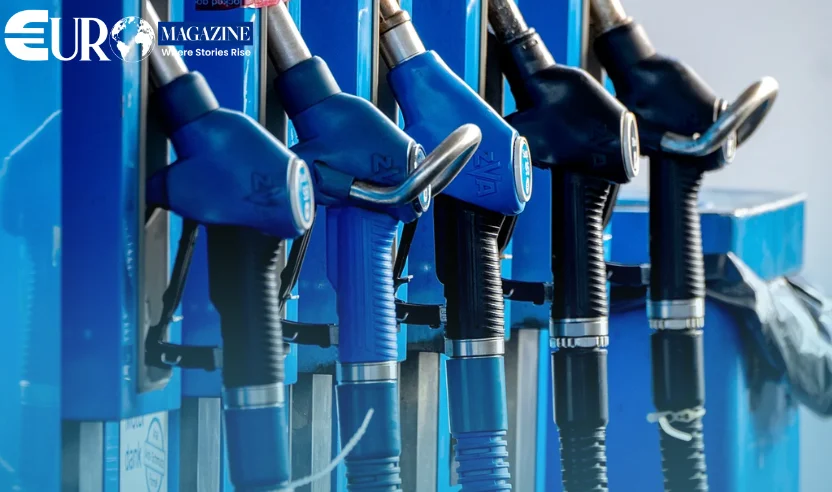
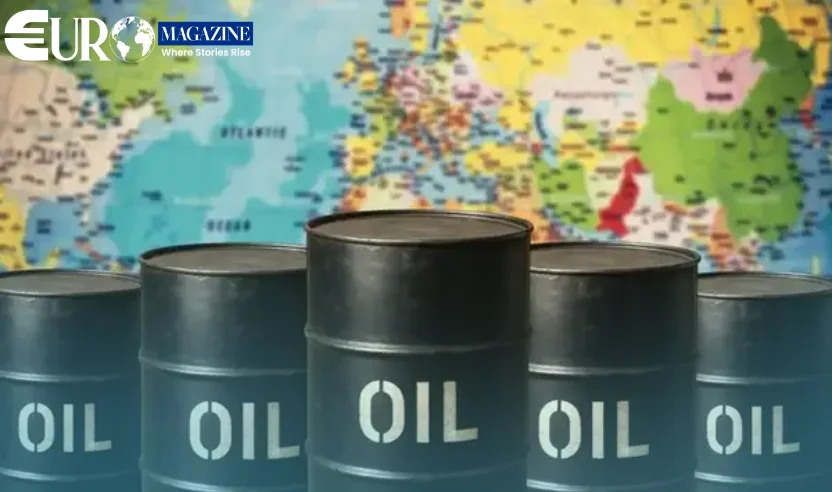
Brent crude traded near $111 per barrel, while European natural gas prices rose sharply, adding to inflation concerns.
The ECB said risks to both inflation and growth remain elevated as tensions in the Middle East continue to affect global energy markets.