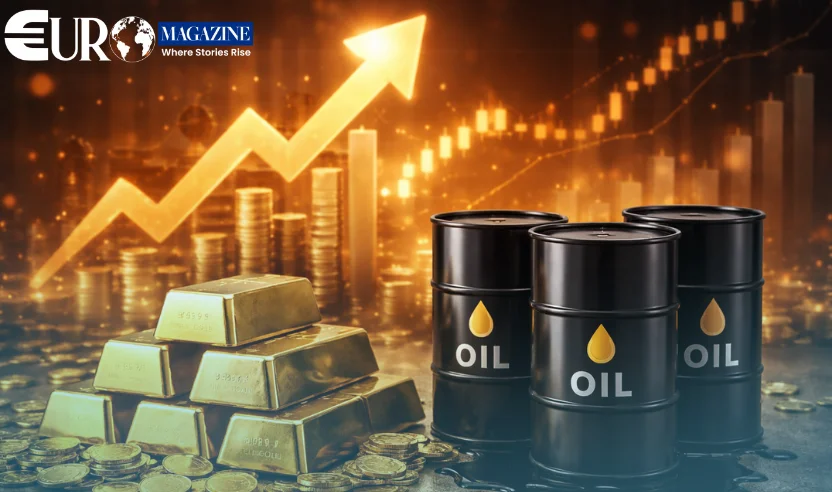

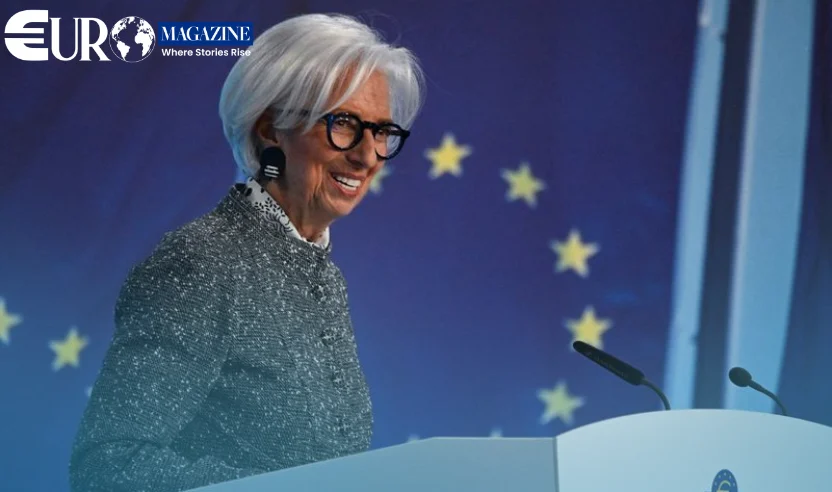
The European Central Bank (ECB) is closely monitoring the economic impact of rising energy prices triggered by the ongoing Iran conflict, with President Christine Lagarde stating the situation is not comparable to the 2022 crisis. The conflict, which began in late February following US-Israeli strikes on Iran, has driven oil and gas prices sharply higher. Disruptions in the Strait of Hormuz and attacks on Gulf energy infrastructure have added to global supply concerns.
Lagarde said the ECB will not be “paralysed by hesitation” in responding to the evolving situation but will act based on clear data regarding the scale and duration of the shock.
She emphasized that inflation in the eurozone is currently close to the ECB’s 2% target and that the economy remains relatively stable, giving policymakers more flexibility than during the 2022 energy crisis.
At its latest policy meeting, the ECB kept interest rates unchanged but warned that the ongoing conflict could lead to higher inflation and slower economic growth.
Market analysts are now increasingly expecting the central bank to consider raising interest rates in the coming months to contain rising consumer prices.
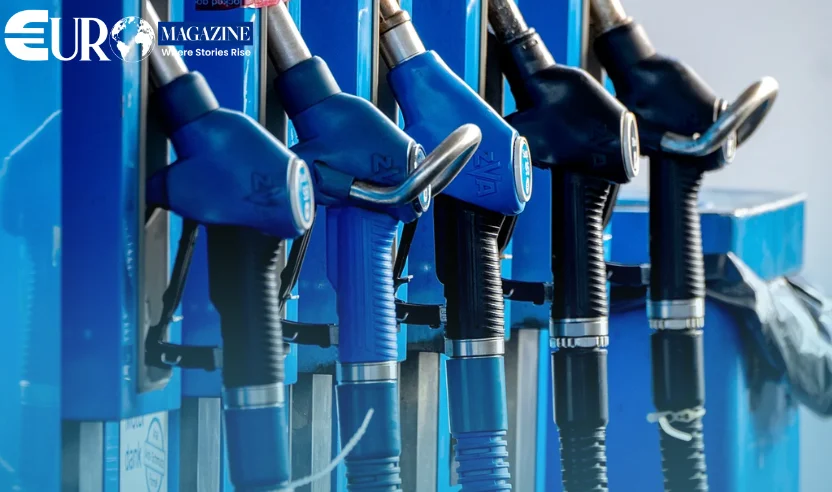
Energy costs across the eurozone have already begun to increase, particularly fuel prices, reviving concerns similar to those seen after Russia’s invasion of Ukraine in 2022.
However, Lagarde highlighted key differences, noting that the current shock is smaller in scale and that the economic environment is more stable compared to the post-pandemic period, when inflation was already elevated due to supply chain disruptions.
She reiterated the ECB’s commitment to maintaining price stability, stating that achieving the 2% inflation target over the medium term remains a priority.